
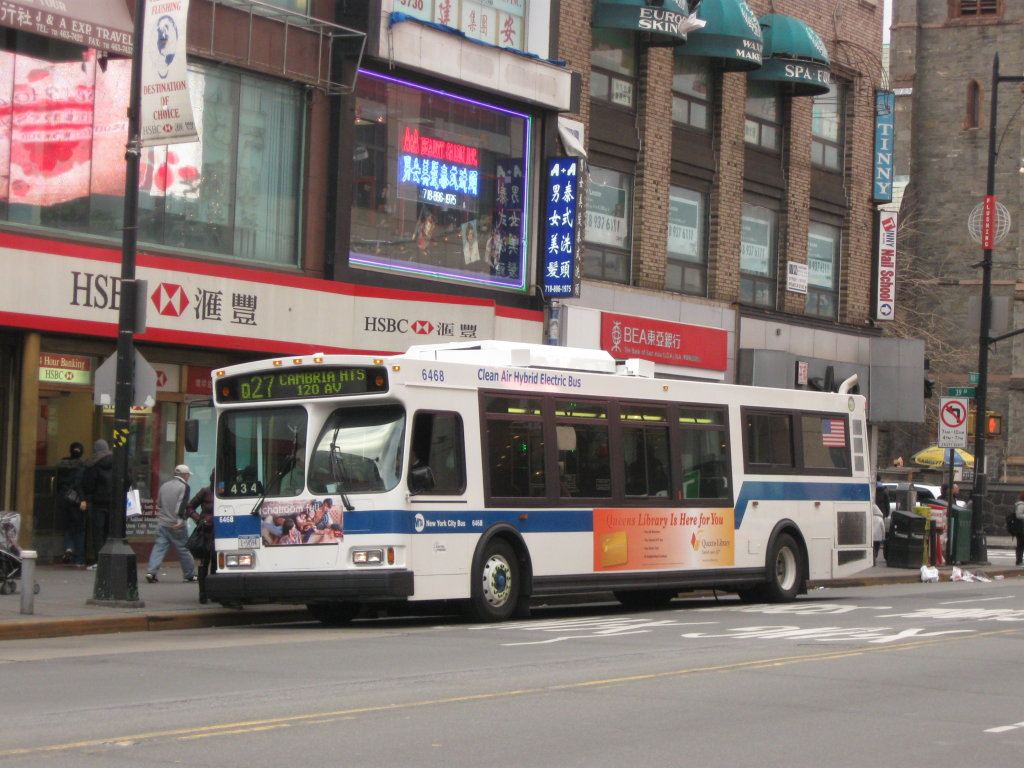

City buses are quietly becoming one of the clearest tests of transport technology in everyday life. Across North America and Europe, transit agencies are replacing ageing diesel fleets with hybrid and fully electric models, and the change is visible on ordinary streets: quieter stops, smoother acceleration and vehicles that no longer leave a cloud of exhaust behind them at the kerb. For passengers, the most noticeable difference is often the calm. Electric drivetrains remove much of the vibration and engine noise that made older buses tiring places to spend a commute, while regenerative braking softens the stop-start rhythm of city routes.
Why Agencies Are Switching
The economics have shifted steadily in favour of electrification. Battery prices have fallen for a decade, and although an electric bus still costs more to buy than a diesel equivalent, agencies increasingly judge vehicles on whole-life cost rather than the purchase price alone. Electricity per kilometre is cheaper than diesel, electric motors have far fewer moving parts to maintain, and brake wear drops sharply when regenerative braking does much of the slowing. Hybrid models, which pair a smaller engine with an electric motor, remain a stepping stone on routes where charging infrastructure is not yet ready, cutting fuel use substantially without demanding new depots overnight.
Public health strengthens the case further. Buses concentrate their mileage in dense neighbourhoods, exactly where exhaust exposure does the most harm. Transport researchers note that replacing a single diesel bus removes emissions along school routes, hospital streets and shopping districts every day of the year, a benefit that spreads well beyond the passengers on board.
The Charging Challenge
The technology inside the bus is now the easy part; the harder problem sits back at the depot. A fleet returning at midnight needs enough grid capacity to recharge before the morning peak, and upgrading substations, cabling and chargers can take longer than delivering the vehicles themselves. Agencies are responding with smart charging software that staggers demand across the night, rooftop solar at depots and, on some networks, fast chargers at termini that top up batteries during scheduled layovers. Route planning matters too: shorter urban loops with predictable mileage suit battery buses best, which is why electrification usually begins downtown and spreads outward.
What Riders Will Notice Next
For riders, the next changes will be practical rather than dramatic. Newer buses arrive with better information displays, USB charging, low floors that speed boarding and air conditioning that works as well at a standstill as it does in motion. Drivers, meanwhile, report less fatigue on electric routes, and several agencies say the quieter ride has improved their ability to recruit and retain staff. The transition will not happen in a single budget cycle, and hybrid fleets will share streets with fully electric ones for years. But the direction is set: the city bus, long treated as background machinery, has become one of the most closely watched pieces of technology in urban life, and each new order makes the diesel era look a little more finished.




