
Portugal will spend the next month without Cristiano Ronaldo, suspended after walking out on the national team. The punishment is as much a statement about authority as about one incident. For readers of mynorthwestnews.com, here is what the ban means for the team, the player and a legacy in its final chapters.
A Walkout and a 30-Day Ban
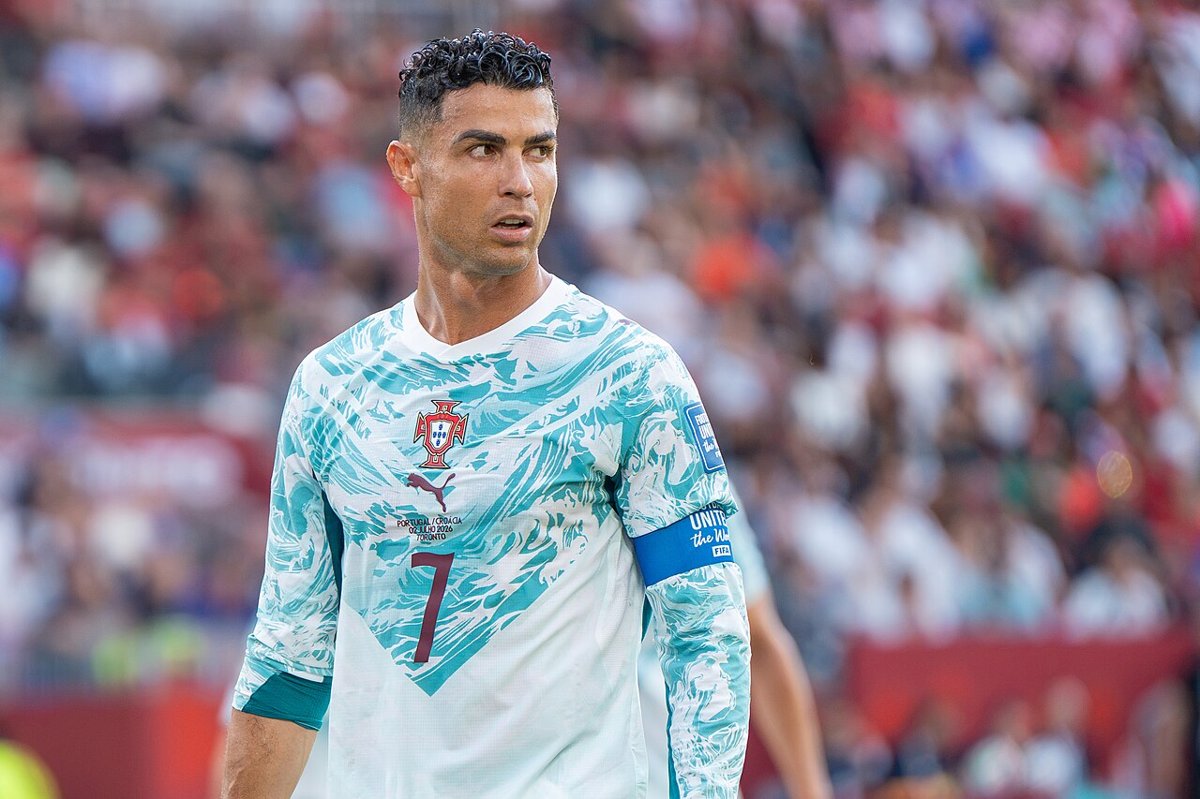
Cristiano Ronaldo has been handed a 30-day suspension after walking out on the Portugal national team, a punishment that turns a moment of visible frustration into the defining selection story of Portugal’s next month. For a player whose international career has been a study in longevity and control of his own narrative, an enforced absence imposed for a walkout is a startling reversal.
Details of the incident have dominated Portuguese and international coverage, and the federation’s response signals that seniority buys no exemption. Whatever the provocation, leaving the camp crossed a line that team management evidently felt could not be absorbed quietly, because quiet absorption would have told every other player in the squad where the line actually sits.
Discipline, Stardom and the Federation’s Hand
Governing bodies face an old dilemma with superstar discipline: punish the player and damage the team’s short-term prospects, or protect the star and damage the dressing room’s rules. A 30-day suspension is a deliberate middle course, severe enough to be undeniable, short enough to leave the relationship repairable, and public enough to set the precedent the federation wanted set.
Ronaldo’s own history sharpens the drama. His career has been punctuated by disputes with clubs and coaches, each eventually absorbed by the gravity of his talent and commercial weight. National teams are different terrain: the shirt outranks any player, the federation answers to a public that treats the team as a national institution, and a walkout is read at home as a matter of respect rather than tactics.
Reading the Wider Picture
There is a selection subplot with long consequences. A month of competitive auditions can permanently reorder a depth chart; forwards who seize these minutes do not always hand the place back. Portugal’s coaching staff may privately welcome the forced experiment, whatever they say publicly, because succession planning for a legend is impossible until the legend is, briefly, absent. Readers can follow continuing coverage on mynorthwestnews.com as this story develops.
The Reaction and the Reputation Question
Reaction has split predictably between those who see a necessary assertion of collective standards and those who see a federation diminishing its greatest asset over a single incident. Both readings miss the longer pattern: at this stage of his career, Ronaldo’s legacy is largely written, but its final chapters are being edited in public, and episodes like this supply material his critics have always claimed and his defenders must now argue around.
Commercially, a month away from the national spotlight costs little; Ronaldo’s audience follows him, not the fixture list. The sharper cost is sporting and symbolic. International windows are scarce at his age, each one a diminishing resource, and spending one of them suspended converts the endgame of a legendary international career from celebration into controversy, at least for now.
What a Month Without Ronaldo Means
Thirty days in international football is not a fixed number of matches; it depends on the calendar the ban spans, which fixtures fall inside it and whether friendlies or competitive games are lost. Selection consequences, however, begin immediately. A coach who might have managed Ronaldo’s minutes now has the decision made for him, and the forwards behind him in the queue receive the audition of their careers.
Portugal’s squad planning will be tracked through the official channels catalogued on FIFA’s official site and in European coverage via UEFA’s official site, but the tactical question is simpler than the paperwork. Portugal have spent years building patterns around Ronaldo’s presence in the box; a month without him tests whether the next generation’s patterns are rehearsed or merely theoretical.
What Comes Next
The immediate calendar will show whether Portugal cope, and a strong run without him would complicate the return as much as a poor one would accelerate it. On his return, expect choreography from both camps: humility from the player, magnanimity from the federation, and a starting place that settles the argument in the only currency either side truly trades in.
Thirty days will pass quickly. What lingers is the precedent that in this camp, at this moment, the rules reached all the way to the top of the game. Whether that strengthens Portugal for the tournaments ahead, or merely interrupts the farewell tour of their greatest player, is a verdict the next month of football will deliver far more honestly than any statement.
Background and Expert Reaction
To grasp the sanction’s weight, it helps to remember how rarely federations discipline players of Ronaldo’s stature at all, let alone publicly and for a fixed term. National associations depend commercially on their stars, and the path of least resistance in almost every comparable case has been a fine, a statement and a swift reconciliation. Portugal’s willingness to impose a month-long absence is therefore a measure of how seriously the walkout was judged internally.
Portuguese media reaction has reflected the country’s divided heart: fierce pride in a player who carried the national team for two decades, and an equally fierce tradition that the shirt outranks any individual. Former players quoted across the coverage have mostly defended the federation’s authority while predicting reconciliation, a consensus that suggests both camps understand the endgame even as they argue about the opening move.
What to watch next
Ronaldo has spent a career converting slights into fuel. The federation is betting the team can convert his absence into proof of life after him, and one of those bets is about to be settled on the pitch.