
The laboratory mouse has a problem: it does not live like a human. It eats sterile food in a controlled cage, far from the microbial chaos of a real home. Dogs, by contrast, share our sofas, our parks, our antibiotic histories and, often, our snacks. That is why a growing group of researchers is pioneering the canine model in microbiota-gut-brain research, using dogs to study the microbial roots of social and affective disorders.
The gut-brain axis is the two-way signalling network linking the digestive tract and the central nervous system, carried by nerves, hormones and immune messengers, and heavily influenced by the trillions of microbes in the gut. Disruptions in that community have been associated with anxiety, depression and social behaviour differences in people. The question has always been how to study the system in a creature whose life resembles ours.
Why Dogs Fit the Science
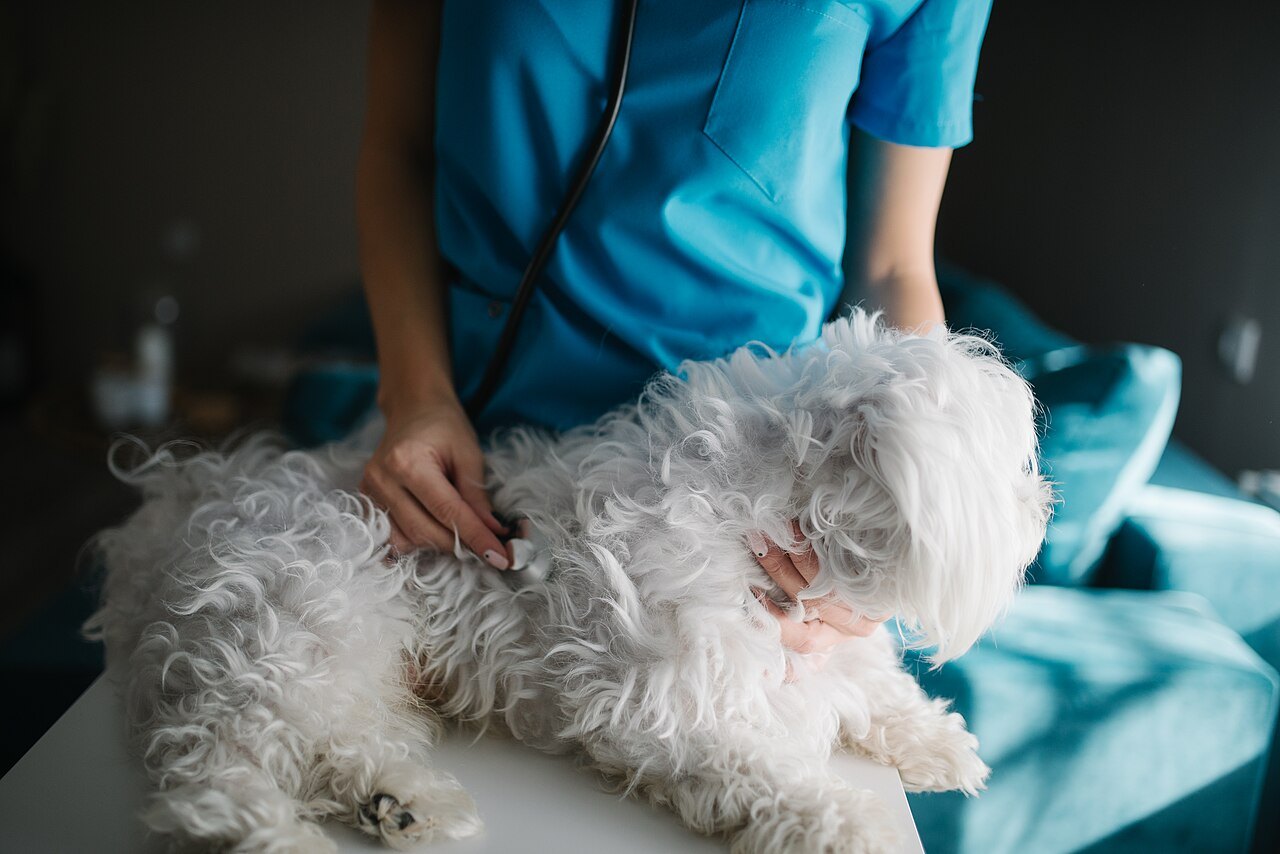
Dogs offer an unusual combination: complex social cognition, genuine emotional bonds with humans, and a shared environment that exposes them to the same microbes, pollutants and processed foods. Breeds with known behavioural tendencies also give researchers natural comparison groups. Studies indexed through PubMed show the field moving from correlation to intervention, with diet changes, probiotics and faecal microbiota transplants tested for effects on canine anxiety and social behaviour.
What the Early Findings Suggest
Early work points to measurable links between gut microbial composition and behaviours such as fearfulness, aggression and sociability. Dogs with more diverse gut microbiomes tend to show more stable behaviour profiles, echoing patterns reported in human cohorts. Because dogs develop conditions analogous to human anxiety and compulsive disorders naturally, rather than through laboratory induction, successful interventions in dogs carry unusual weight as candidates for human trials.
A Two-Way Benefit
The veterinary profession sees the arrangement as mutual. The American Veterinary Medical Association has long promoted the One Health framework, recognising that human and animal health research advance together. Better understanding of the canine gut-brain axis could improve treatment for the millions of pet dogs with anxiety disorders while refining hypotheses for human psychiatry. Our regional newsroom covers Pacific Northwest research institutions active in One Health work, where veterinary and medical schools increasingly share laboratories.
Questions That Remain
Correlation still outruns causation, samples are small, and breed genetics complicate every comparison. Researchers caution that probiotic products for dogs are racing ahead of the evidence. But the direction of travel is clear: the animals who share our lives are becoming partners in understanding our minds, one gut microbe at a time.
The Pacific Northwest Connection
The region’s research universities are natural homes for this work, with veterinary schools, medical centres and microbiome institutes often sharing the same campuses. One Health programmes in the Northwest have funded exactly the kind of cross-species studies the canine model requires, and local veterinary behaviourists report growing client interest in the gut-behaviour link. For area dog owners, the practical message from researchers is steady rather than sensational: consistent diet, cautious antibiotic use, and professional guidance for behavioural problems, all now with a mechanistic story gaining strength behind them.
For Northwest dog owners, researchers offer one clear piece of guidance amid the excitement: be sceptical of products promising to fix behaviour through the gut until the trials catch up with the claims. The science is genuinely promising, and precisely because it is promising, it deserves better than marketing shortcuts. The dogs, patient as ever, will wait for the evidence.