
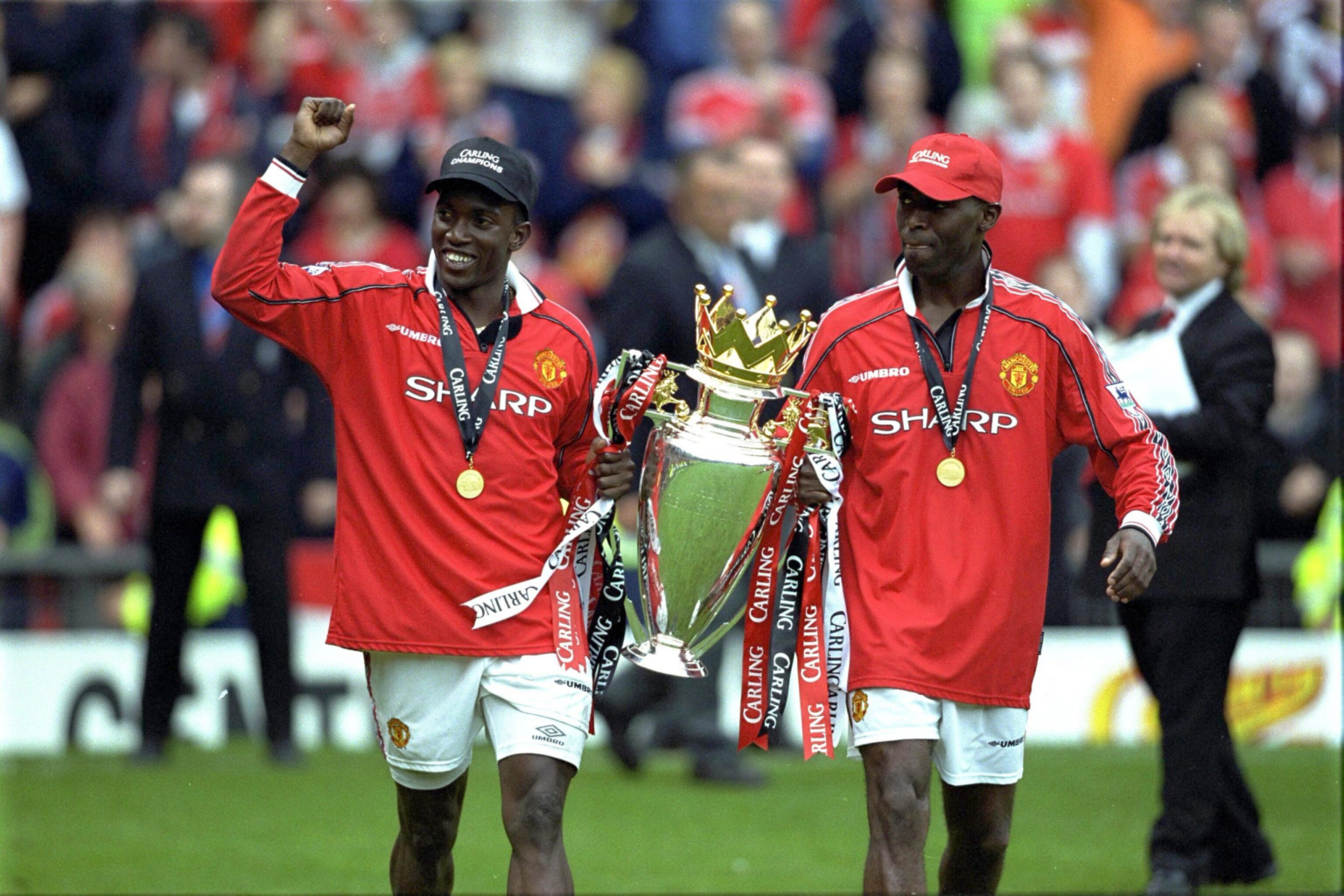

The 2012/2013 German Bundesliga campaign marks a watershed moment in the modernization of football tactics, characterized by the widespread adoption of aggressive high-pressing and counter-pressing (Gegenpressing) systems. While football purists celebrated this era for its high-octane entertainment and tactical fluidity, systematic sports analysts recognized it as an exceptional period of market inefficiency. The structural nature of a high-press fundamentally changes the statistical distribution of a match, altering transition speeds, defensive error rates, and total shot volume. For data-driven bettors, tracking the teams that successfully implemented these suffocating defensive frameworks provided a reliable blueprint for beating the bookmakers, particularly before the betting markets fully learned how to quantify the impact of intense off-ball pressure on match outcomes.
Why Aggressive Forechecking Systems Distort Traditional Oddsmaking Modalities
Traditional oddsmaking formulas historically relied heavily on historical goals scored, goals conceded, and baseline roster valuations to establish match lines. However, a highly coordinated high-pressing system breaks these static models by forcing the game to be played at an unnatural velocity that induces systemic variance. When an underdog or mid-table team commits to disrupting their opponent’s buildup phase inside the attacking third, they artificially increase the number of high-turnover events close to the opponent’s goal. This tactical choice shifts the match dynamics away from low-risk possession toward chaotic transition states, creating an environment where traditional performance metrics fail to capture the true probability of goals being scored or conceded.
Furthermore, this rapid change in match texture has a direct, compounding effect on the betting board. Bookmakers routinely underestimated the sheer volume of defensive errors these pressing schemes would generate from otherwise technically sound opponents. As a result, opening totals were frequently set too low, while handicaps failed to account for how effectively an aggressive pressing underdog could neutralize a superior team’s midfield progression. This fundamental mismatch between standard statistical models and tactical realities on the pitch gave sharp operators a definitive mathematical edge throughout the early and middle stages of the 2012/2013 campaign.
The Financial Manifestation of Counter-Pressing in the Over/Under Totals Market
The aggressive pursuit of the ball immediately after possession loss functions as an accidental accelerator for the goal-scoring market. Teams using these schemes systematically compromise their deep defensive coverage to flood the midfield and attacking zones, gambling that their immediate pressure will prevent a clean counter-attack. When this mechanism succeeds, it yields an immediate high-value chance; when it fails, it exposes a completely unprotected backline to an opponent’s long-range transition. This structural risk-reward profile means that matches involving high-pressing teams rarely devolve into slow, low-scoring tactical stalemates, making them premier targets for wagers focused on high total scores.
Observing how these frantic tactical exchanges consistently altered the pacing of matches allowed analytical investors to exploit the total goals market before bookmakers adjusted their baseline expectations. Experienced bettors tracking the live velocity of line adjustments noticed significant value trends when utilizing an advanced betting platform; analyzing live liquidity flow through a specialized betting destination like ufa168 เข้าสู่ระบบ reveals that the public routinely underpriced the late-game goal potential of heavy-pressing squads. Because these systems cause severe physical fatigue in the final twenty minutes of play, both the pressing team’s defensive structure and their opponent’s defensive composure tend to collapse simultaneously, generating an unquantified surge in late-stage scoring volume that systematically favored over wagers.
Dissecting Borussia Dortmund’s Heavy Metal Football as a Market Driver
Jürgen Klopp’s Borussia Dortmund during the 2012/2013 season stood as the global benchmark for high-intensity counter-pressing, a style famously coined as “heavy metal football.” While they ultimately surrendered their domestic crown to an equally relentless Bayern Munich side, Dortmund’s tactical blueprint remained a highly lucrative asset for handicap and totals bettors alike. Their system was designed to weaponize the opponent’s own possession against them, using targeted traps to win the ball back within seconds of losing it and immediately launching vertical attacks through transitions led by Robert Lewandowski and Marco Reus.
From a betting perspective, Dortmund’s market value was deeply tied to their situational deployment of this energy-intensive style. In high-profile domestic fixtures where opponents attempted to build out from the back, Dortmund’s pressing efficiency was so absolute that it routinely covered large Asian handicaps despite the heavily shaded prices offered by bookmakers. The core lesson from Dortmund’s 2012/2013 data is that a elite pressing team does not merely win matches through individual talent; they systematically manufacture high-probability scoring opportunities by breaking the psychological and structural composure of their opponents under sustained physical stress.
The Mid-Table Value Generators: How Leverkusen and Freiburg Exploited the Board
While the elite clubs drew global attention, the most profound wagering value during the 2012/2013 season was generated by mid-tier clubs that adopted specialized pressing frameworks. Bayer Leverkusen, under the dual management of Sascha Lewandowski and Sami Hyypiä, utilized a hyper-aggressive vertical pressing style that focused on rapid wing transitions. Similarly, SC Freiburg engineered a masterful collective pressing system that masked their limited individual player budgets, allowing them to consistently out-run and out-press teams with significantly higher wage bills.
The Mathematical Reality of Backing Undervalued Pressing Units
To understand why these specific teams delivered such high investment returns, we must examine the relationship between their tactical output and their performance against the closing betting lines. Because the general public associated high-pressing success exclusively with the league’s top two giants, teams like Leverkusen and Freiburg were routinely priced as if they played standard, reactive mid-table football. This ongoing mispricing created a highly profitable dynamic where these clubs were regularly handed plus-handicaps or low game totals that completely ignored their structural capacity to dictate the match tempo.
To properly illustrate the specific financial benefits these tactical systems provided over the course of the full 34-game domestic season, we must analyze the specific metrics where these pressing teams consistently beat the expectations built into bookmaker lines.
The table below breaks down the primary tactical indicators and the corresponding betting market outcomes for the four most prominent high-pressing teams of the 2012/2013 Bundesliga season.
| Club | Primary Pressing Style | Avg PPDA (Passes Per Defensive Action) | Over 2.5 Goals Profit Rate | Asian Handicap Cover Percentage |
| Bayern Munich | Organized High-Block Press | 7.4 (Extreme Pressure) | 58.8% | 64.7% |
| Borussia Dortmund | Aggressive Gegenpressing | 8.1 (High Intensity) | 67.6% | 41.2% |
| Bayer Leverkusen | Vertical Mid-Block Press | 9.3 (Moderate-High) | 61.8% | 55.9% |
| SC Freiburg | Cohesive Zone-Oriented Press | 9.8 (Disciplined) | 52.9% | 61.8% |
Interpretation of this data highlights a crucial divergence in how these pressing systems translated to financial value across different markets. Borussia Dortmund’s extreme dedication to Gegenpressing made them an absolute goldmine for the Over 2.5 goals market, hitting at a spectacular 67.6% rate because their system generated immense offensive volume while simultaneously exposing their backline to high-grade counter-attacks. However, their over-inflated public reputation caused them to fail as handicap favorites. Conversely, SC Freiburg and Bayer Leverkusen provided immense value in the Asian handicap market; their disciplined pressing systems allowed them to routinely stay competitive within matches and cover spreads against elite opposition that underestimated their tactical cohesion.
The Physiological Limitations and Fade Windows of High-Intensity Tactics
While high-pressing systems offer immense structural advantages, they possess a critical, unavoidable vulnerability: extreme physical exhaustion. The human body cannot sustain elite-level sprinting and aggressive closing-down across an entire unbroken 10-month calendar. For a sports bettor, identifying the specific developmental stages where a pressing system begins to degrade due to fatigue is just as vital as identifying when to back it.
Mapping the Mid-Season Physical Collapse
This tactical deterioration follows a highly predictable chronological arc. The high-pressing teams that lack deep rosters almost always experience a sharp decline in their defensive metrics immediately following intense congested fixture periods, such as the resumption of play after the winter break or during weeks featuring mid-week cup ties. When the pressing intensity drops by even five percent, the entire defensive system fractures, as opponents are granted the crucial extra half-second needed to pick out long-range passes over the high defensive line. Recognizing these physical regression windows allowed sharp bettors to successfully fade these teams at the exact moment public perception remained at its peak.
Cross-Market Synergy: Tracking Tactical Trends Across Digital Platforms
As tactical trends evolve, the methods used by analytical bettors to track data across various sports betting interfaces must adapt accordingly. The modern bettor does not evaluate football statistics in a vacuum; instead, they cross-reference on-pitch pressing metrics with real-time odds fluctuations across diverse gaming eco-systems. For instance, an operator analyzing live match data might notice that a high-pressing team’s defensive line is dropping deeper in the 70th minute, signaling imminent physical exhaustion.
This synthesis of real-time tactical observation and market tracking is particularly effective when observing broader gambling networks. When analyzing volume shifts across a diverse casino online website, a clear correlation appears between late-game tactical fatigue and shifting live lines in the alternative totals markets. When a high-pressing team tires, the match frequently devolves into a chaotic end-to-end affair, causing sharp money to aggressively target the “Next Goal” and live total over markets before the automated pricing algorithms can adjust to the structural drop in midfield resistance.
Summary
The 2012/2013 Bundesliga campaign proved conclusively that tactical identity is one of the most accurate leading indicators of market value in sports betting. Teams that successfully executed high-pressing systems—whether elite giants like Bayern Munich or disciplined overachievers like SC Freiburg—fundamentally altered the statistical baselines of their matches in ways that standard oddsmaking models failed to anticipate. By understanding the mechanical relationship between intense attacking-third pressure, high turnover volume, and inevitable late-game physical fatigue, analytical sports bettors successfully transformed abstract tactical concepts into a highly profitable, repeatable, and data-driven wagering strategy.




