
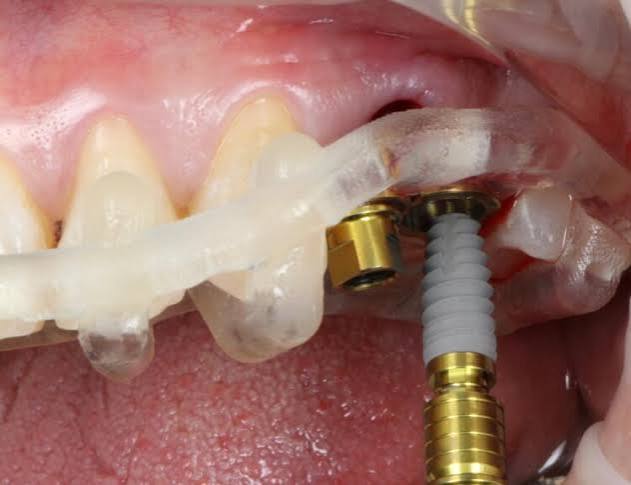

The significance of having a healthy smile in daily life affects confidence, communication and the enjoyment of many different types of food. Losing one or more teeth due to injury, decay, or other dental issues can result in so much more than looks. Today, implant dentistry is changing the way missing teeth are replaced with permanent solutions, emphasising precision, function and aesthetics. Even today, precision-driven implant treatment approaches are assisting patients in restoring their smiles more predictably and comfortably than ever before.
History Of Dental Implant Treatment
Dental implants are now recognised as one of the most preferred solutions for replacing lost teeth. Implants, in contrast to standard solutions that may be supported by the gums or neighbouring teeth, are designed to serve as the foundations of a natural tooth root. They form a solid base for crowns, bridges or full-arch restorations.
Technology advancements have also aided the treatability of implant treatment over time. Modern dental techniques help in planning procedures with high accuracy, resulting in less discomfort and better outcomes. Such developments broadened the scope of implant therapy to a wider population of patients considering predictable tooth replacement options.
The Importance Of Precision In Implant Dentistry
One critical thing that determines the success of implant treatment is precision. Every patient has a unique oral structure, bone density and smile design. When placing an implant, a proper plan is put in place to make every effort to position the implant in the most favourable position for function and appearance.
Before starting treatment, digital imaging and advanced diagnostic tools enable members of the dental team to assess the jawbone, adjacent teeth and soft tissues. This comprehensive evaluation is useful in determining the most appropriate type of device placement and in minimising complications.
By concentrating ardently on accuracy right from the earliest stage of treatment, dental experts are able to make restorations that integrate seamlessly and naturally with existing tooth structures, while also promoting long-term oral health.
Advanced Technology Enhancing Treatment Outcomes
Current implant procedures lean heavily on technology. The three-dimensional scans allow us to get a very detailed insight into the oral structures and help us formulate a very personalised treatment plan.
Particularly, implant positioning can be done fantastically with computer-guided planning. Such technology assists in optimising the stability of the implant as well as safeguarding critical anatomical structures. This tends to lead to a treatment process that is both faster and more reliable.
Patients looking to explore their options may wish to book an appointment with Sydney Dental implants for insight into how cutting-edge technologies can be used to create customised treatment biographies catered toward unique needs and goals.
Restoring Both Function And Appearance
Implant treatment success is not just about replacing missing teeth. A lot of it is rebalancing the natural biomechanics of a smile and being able to chew functionally on a day-to-day basis.
Dental implants promote proper chewing and speaking ability. As they are anchored securely within the jawbone, they can offer stability that very much mirrors your natural teeth. This offers the patients the opportunity to experience increased confidence in social and professional interactions.
Aesthetic considerations are equally important. Treatment approaches guided by precision centre on restorative anatomies that blend in accordance with the colour, contour and position of adjacent teeth. The intention is to create natural results that suit the facial structure of the patients.
Personalised Treatment For Every Patient
Not every smile is the same, so your treatment plan should not be either. Modern implant dentistry incorporates a patient-centred treatment model emphasising oral health needs, lifestyle factors, and aesthetic preferences.
When it comes to replacing one, many, or an entire arch, treatment plans can be designed with specific goals in mind. Thorough consultations help patients better understand the process, examine available choices and make informed decisions about their treatment.
The more targeted approach increases satisfaction and helps guarantee that treatment results meet patient expectations.
Conclusion
Implant treatment approaches driven by precision have revolutionised the replacement of missing teeth. With accurate imaging, meticulous management and an individualised treatment plan, implant dentistry today offers predictable treatment goals that enhance both function and aesthetics. Dentists can help enhance their patients’ lives in ways that allow them to restore the smile they lost with confidence through a careful combination of technology and clinical expertise while reaping the long-term rewards of improved oral health.



