

Businesses today rely heavily on digital systems to manage operations, customer information, financial transactions, and internal communication. While technology improves efficiency and connectivity, it also creates new opportunities for cybercriminals to target networks, applications, and sensitive business data. Cyberattacks continue growing in frequency and sophistication, affecting organisations of every size across multiple industries.
Many businesses invest in firewalls, antivirus software, and security monitoring systems, but these tools alone may not identify every weakness within an organisation’s digital environment. Penetration testing has therefore become an important part of modern cybersecurity strategy because it helps businesses uncover vulnerabilities before attackers can exploit them.
Understanding What Penetration Testing Means
Penetration testing is a controlled cybersecurity assessment where security professionals simulate real cyberattack techniques to identify weaknesses within systems, applications, or networks. The purpose is to safely test how vulnerable a business may be to potential threats under realistic conditions.
Rather than causing damage, the process helps organisations understand where security gaps exist and how they could be strengthened before a real attack occurs.
Testing may focus on websites, internal networks, cloud systems, applications, wireless infrastructure, or employee security practices depending on the business environment.
Why Businesses Need Proactive Cybersecurity Measures
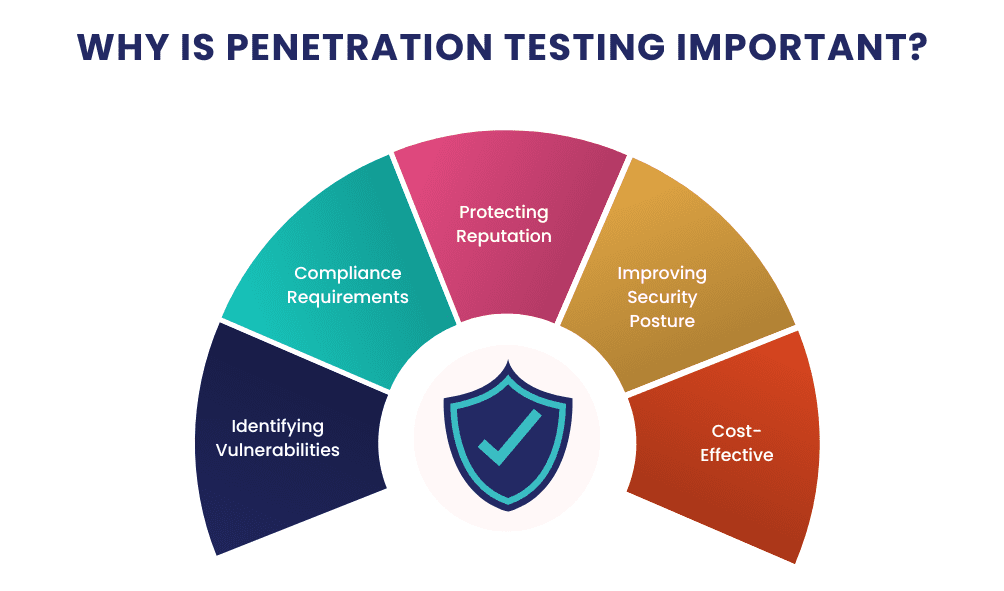
Cybersecurity threats can lead to financial loss, operational downtime, legal exposure, and serious reputational damage. Many organisations only discover weaknesses after a security incident has already occurred, which often results in far greater recovery costs.
Penetration testing allows businesses to take a proactive approach by identifying vulnerabilities early and addressing them before they become larger risks.
Prevention is generally far less expensive and disruptive than responding to a successful cyberattack.
How Penetration Testing Improves Security Awareness
One major benefit of penetration testing is that it highlights vulnerabilities businesses may not even realise exist. Misconfigured systems, outdated software, weak passwords, insecure applications, or poor internal security practices can all create opportunities for attackers.
Testing provides detailed insight into how these weaknesses might be exploited and what improvements should be prioritised.
This helps organisations make more informed cybersecurity decisions rather than relying on assumptions about system safety.
Protecting Customer And Business Data
Modern businesses store large amounts of sensitive information including customer records, payment details, employee information, and confidential operational data.
If this information becomes compromised, the consequences can extend well beyond financial damage. Customer trust, regulatory compliance, and brand reputation may all suffer significantly after a data breach.
Many organisations invest in Professional penetration testing services for businesses because protecting sensitive information has become critical for maintaining both operational stability and customer confidence.
Data security is now closely tied to long term business reputation.
Supporting Compliance And Risk Management
Many industries face increasing legal and regulatory expectations around cybersecurity and data protection. Penetration testing helps demonstrate that businesses are actively assessing and managing digital risks responsibly.
Testing reports may also support compliance requirements within industries handling financial information, healthcare records, or sensitive customer data.
Strong cybersecurity governance has become increasingly important across both private and public sectors.
Identifying Weaknesses In Remote Work Systems
The growth of remote and hybrid work environments has expanded the number of devices and access points connected to business systems. Employees accessing networks remotely may unintentionally create additional security vulnerabilities if protections are not managed properly.
Penetration testing helps evaluate whether remote access systems, cloud platforms, and employee devices are adequately secured against modern cyber threats.
As workplaces become more digitally connected, these assessments are becoming increasingly valuable.
Improving Incident Response Preparedness
Penetration testing does more than identify vulnerabilities. It also helps businesses understand how effectively their systems, monitoring tools, and security teams respond to simulated threats.
This insight can strengthen incident response planning and improve organisational readiness during real cybersecurity events.
Preparation often determines how effectively businesses can limit damage during attacks.
Helpful Related Cybersecurity Research
Business leaders also benefit from reviewing ransomware prevention strategies and cloud security management best practices because these related topics help strengthen broader cybersecurity awareness and risk management planning.
Better understanding supports stronger protection decisions.
Why Penetration Testing Matters
Penetration testing has become one of the most effective ways for businesses to identify cybersecurity weaknesses before attackers can exploit them. By simulating realistic attack methods, organisations gain valuable insight into vulnerabilities that standard security tools may overlook.
Modern businesses face growing pressure to protect systems, maintain customer trust, and manage digital risk responsibly. Penetration testing supports these goals by helping organisations strengthen defences, improve security awareness, and reduce the likelihood of costly cyber incidents.
As cyber threats continue evolving, proactive security testing is no longer viewed as optional for many businesses. It has become an essential part of maintaining long term operational resilience in an increasingly connected digital environment.




