

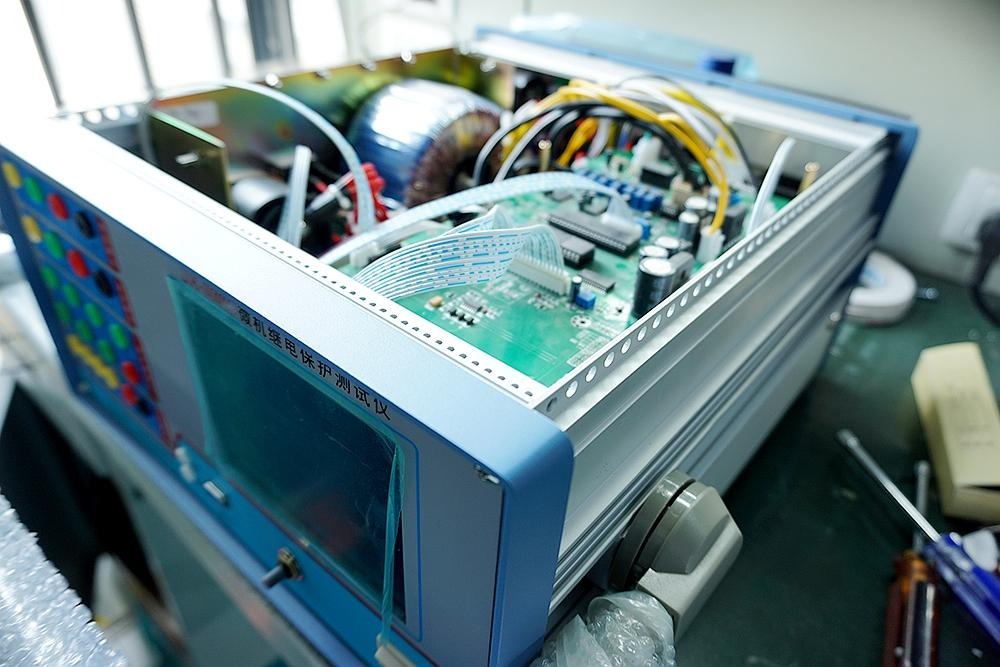
As electronic products become increasingly sophisticated, manufacturers are looking for ways to simplify production, improve quality control, and reduce time-to-market. While printed circuit board assembly is a critical part of electronics manufacturing, many products require additional integration before they are ready for end users. This is where box build assembly plays an essential role. Box build assembly extends beyond PCB assembly by combining electronic components, wiring, mechanical parts, enclosures, and final product integration into a complete manufacturing solution.
Today, industries such as telecommunications, medical devices, industrial automation, automotive electronics, aerospace, and consumer electronics rely on box build assembly to streamline production processes and ensure consistent product quality. By consolidating multiple manufacturing stages into a single workflow, companies can reduce complexity, improve supply chain efficiency, and accelerate product delivery.
What Is Box Build Assembly?
Box build assembly is the process of integrating assembled printed circuit boards with additional mechanical and electrical components to create a complete finished product or subassembly. Unlike standard PCB assembly, which focuses solely on mounting and soldering components onto a circuit board, box build assembly involves the final stages of product manufacturing.
The process typically includes installing PCB assemblies into enclosures, connecting cables and wire harnesses, mounting power supplies, integrating displays, attaching switches and connectors, and performing final system testing. Depending on the product, box build assembly may also include packaging, labeling, software installation, and configuration.
The term “box build” originates from the fact that many electronic products are assembled inside a housing or enclosure before shipment. However, the process applies to a wide variety of electronic systems regardless of their shape or configuration.
Why Box Build Assembly Is Important
Modern electronic products often consist of far more than a single circuit board. A finished device may contain multiple PCB assemblies, connectors, displays, batteries, cooling systems, sensors, wiring assemblies, and mechanical structures. Managing these elements separately can create logistical challenges and increase production complexity.
Box build assembly helps simplify manufacturing by combining all integration activities under one production process. This approach reduces the need for multiple suppliers, minimizes transportation requirements, and improves coordination between manufacturing stages.
By centralizing assembly operations, manufacturers can achieve better quality control and reduce the risk of compatibility issues between components. The result is a more efficient production process and a higher-quality finished product.
The Main Stages of Box Build Assembly
The box build assembly process begins after PCB assemblies have been completed and tested. The first step typically involves gathering all required components, including enclosures, cables, connectors, hardware, power supplies, displays, and other mechanical parts.
Technicians then install the PCB assemblies into their designated positions within the enclosure or product structure. Wiring and cable assemblies are connected according to engineering specifications, ensuring proper electrical communication between system components.
Mechanical hardware such as brackets, mounting plates, heat sinks, and fasteners are installed to secure the assembly and support reliable operation. Once integration is complete, the product undergoes inspection and testing to verify functionality.
The final stages often include software loading, product configuration, labeling, packaging, and shipment preparation.
Each stage must be carefully controlled to ensure product quality and consistency.
Components Commonly Included in Box Build Assembly
A typical box build assembly project involves a wide variety of components beyond the printed circuit board itself. These components vary depending on the product’s intended application and operating environment.
Common elements include assembled PCBs, wire harnesses, cables, connectors, power supplies, transformers, cooling systems, displays, batteries, sensors, switches, and mechanical enclosures. Industrial products may also incorporate control panels, touchscreens, relays, and communication modules.
The integration of these components requires both electrical and mechanical expertise. Proper assembly ensures that all subsystems function together as a unified product.
The complexity of component integration is one reason many companies choose experienced manufacturing partners for box build projects.
Benefits of Box Build Assembly
One of the most significant advantages of box build assembly is manufacturing efficiency. By consolidating multiple production stages under one provider, companies can simplify project management and reduce supply chain complexity.
Another major benefit is improved quality control. When a single manufacturer manages PCB assembly, cable integration, mechanical assembly, and final testing, there is greater visibility into the entire production process. This integrated approach helps identify potential issues before products reach customers.
Cost savings can also be achieved through reduced logistics expenses, lower inventory requirements, and streamlined procurement activities. Companies often experience shorter lead times because products move directly from assembly to final integration without requiring multiple manufacturing partners.
Additionally, box build assembly supports faster product launches by reducing coordination challenges between suppliers.
Quality Control in Box Build Assembly
Quality assurance is a critical aspect of box build assembly because defects introduced during final integration can affect overall product performance. Manufacturers typically implement comprehensive inspection procedures throughout the assembly process.
Visual inspections verify correct component installation, cable routing, labeling accuracy, and mechanical assembly quality. Electrical testing confirms connectivity and system functionality, while functional testing ensures the completed product operates according to design requirements.
For more complex systems, environmental testing may be conducted to evaluate performance under conditions such as vibration, temperature fluctuations, and humidity exposure.
A robust quality control program helps manufacturers deliver reliable products while minimizing field failures and warranty claims.
Industries That Use Box Build Assembly
Box build assembly is used across a wide range of industries due to its ability to support complex product integration requirements.
Medical device manufacturers rely on box build assembly for diagnostic equipment, patient monitoring systems, imaging devices, and laboratory instruments. Telecommunications companies use the process for networking equipment, communication systems, and data transmission hardware.
Industrial automation products such as programmable controllers, motor drives, and process control systems frequently require box build assembly. Automotive manufacturers utilize integrated assemblies for electronic control units, infotainment systems, and advanced driver assistance technologies.
Aerospace, defense, renewable energy, and consumer electronics sectors also benefit from comprehensive box build manufacturing solutions.
Challenges in Box Build Assembly
Despite its advantages, box build assembly presents several challenges. Coordinating numerous components from different suppliers requires effective supply chain management and careful planning.
Mechanical integration can be complex, particularly when products contain multiple subsystems operating within limited enclosure space. Proper cable routing, thermal management, and electromagnetic compatibility considerations must be addressed during assembly.
Testing requirements may also become more demanding because manufacturers must verify both individual subsystems and overall product functionality. Maintaining consistent quality across large production volumes requires robust process controls and experienced technical personnel.
Successfully managing these challenges is essential for achieving reliable manufacturing outcomes.
Future Trends in Box Build Assembly
The future of box build assembly is being influenced by advances in automation, smart manufacturing, and digital production technologies. Manufacturers are increasingly adopting automated assembly systems, robotic integration solutions, and real-time production monitoring tools.
Internet of Things technologies and Industry 4.0 initiatives are enabling greater visibility into manufacturing operations, improving process efficiency and quality control. Digital documentation systems and advanced traceability platforms further enhance production management capabilities.
As electronic products continue to become more sophisticated, demand for comprehensive integration services is expected to increase. Manufacturers that invest in advanced box build capabilities will be well positioned to support emerging market requirements.
Conclusion
Box build assembly is a critical manufacturing process that transforms individual electronic and mechanical components into fully integrated products ready for deployment. By combining PCB assemblies, wiring systems, enclosures, power supplies, connectors, and other essential elements into a unified production workflow, manufacturers can improve efficiency, reduce supply chain complexity, and enhance product quality. Comprehensive testing and quality control procedures ensure that finished products meet performance expectations across industries such as medical devices, telecommunications, industrial automation, automotive electronics, and aerospace systems. As product designs become increasingly complex, companies continue to rely on professional box build assembly service providers to deliver complete manufacturing solutions that support reliability, scalability, and faster time-to-market.



