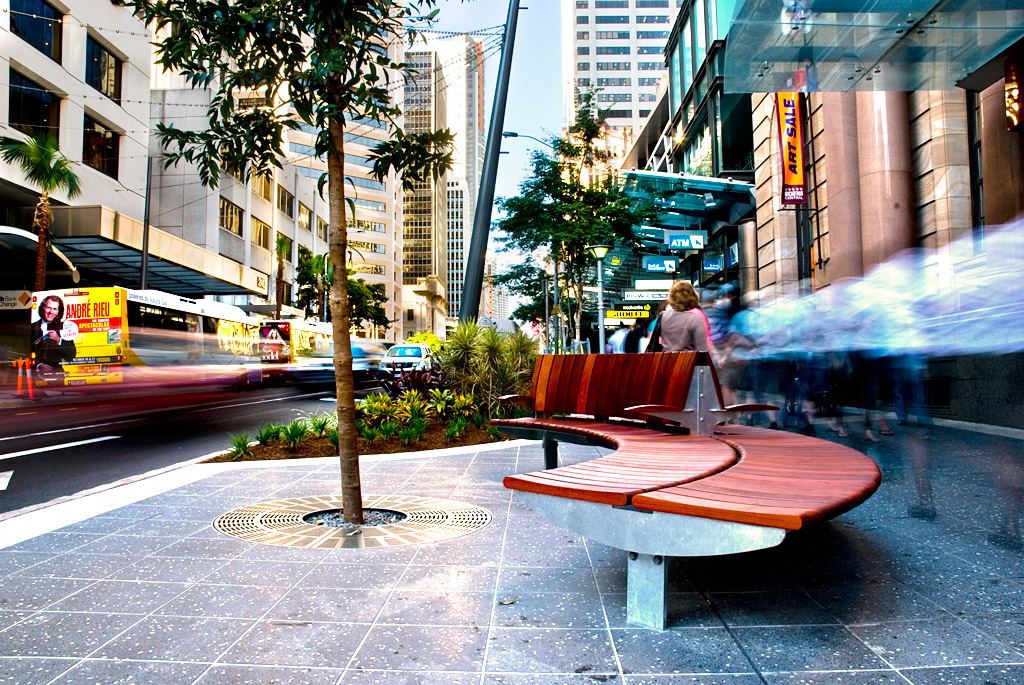

Shade is emerging as measurable public health infrastructure in cities facing longer, hotter summers. New mapping projects combine satellite imagery, street level photographs and temperature sensors to show exactly which pavements, bus stops and school routes lack tree cover at the hottest hours. The results often expose sharp inequality: wealthier districts enjoy mature canopies while poorer neighbourhoods wait decades for planted trees to grow. Urban scientists say targeted shade, from trees to well designed shelters, can lower surrounding surface temperatures dramatically and make walking, waiting and outdoor work safer.
What the Evidence Shows
City teams are using the maps to plant where heat and foot traffic overlap, protect existing mature trees during construction and add shade sails at clinics, markets and playgrounds. Researchers caution that species choice, water access and maintenance decide whether planting survives beyond photo opportunities. They also measure shade by time of day, since a tree protecting a morning footpath may leave an afternoon bus stop exposed. Treating shade as essential infrastructure, like lighting or drainage, could change how councils budget for summer safety in warming cities. Reporting and analysis from sources such as Nature track the same developments, and specialists following shade measured like essential infrastructure say the direction is now consistent across independent lines of evidence.
The Wider Context
The wider context is a research landscape in which replication and open data now decide reputations. Findings connected to shade measured like essential infrastructure are being checked by independent groups with shared datasets, and the teams involved publish their methods in full so rivals can test every step. That discipline is slower than a headline cycle, but it is why results in this area increasingly survive first contact with scrutiny.
What Happens Next
What happens next in the story of shade measured like essential infrastructure will be decided by follow-up work already under way: larger samples, longer observation and instruments that have not yet come online. The researchers involved are unusually united on one point, that the current results justify the next investment of time and money. Readers will not have to wait long for the first tests of that claim. You can follow related developments in our coverage of science.
None of this will be settled by a single announcement, study or product launch. The pattern to watch is accumulation: independent confirmations, honest reporting of failures and steady improvement in the underlying numbers. Readers who follow those signals, rather than the loudest claim of the week, will understand this subject better than most of the commentary surrounding it suggests is possible.
There is a practical lesson in all of this for readers deciding what to do today. Start with the verified facts, be wary of anyone promising certainty, and prefer reversible steps while the evidence is still developing. Circumstances differ by country, income and personal situation, so general guidance should always be weighed against your own context before you act on it in any significant or lasting way.