
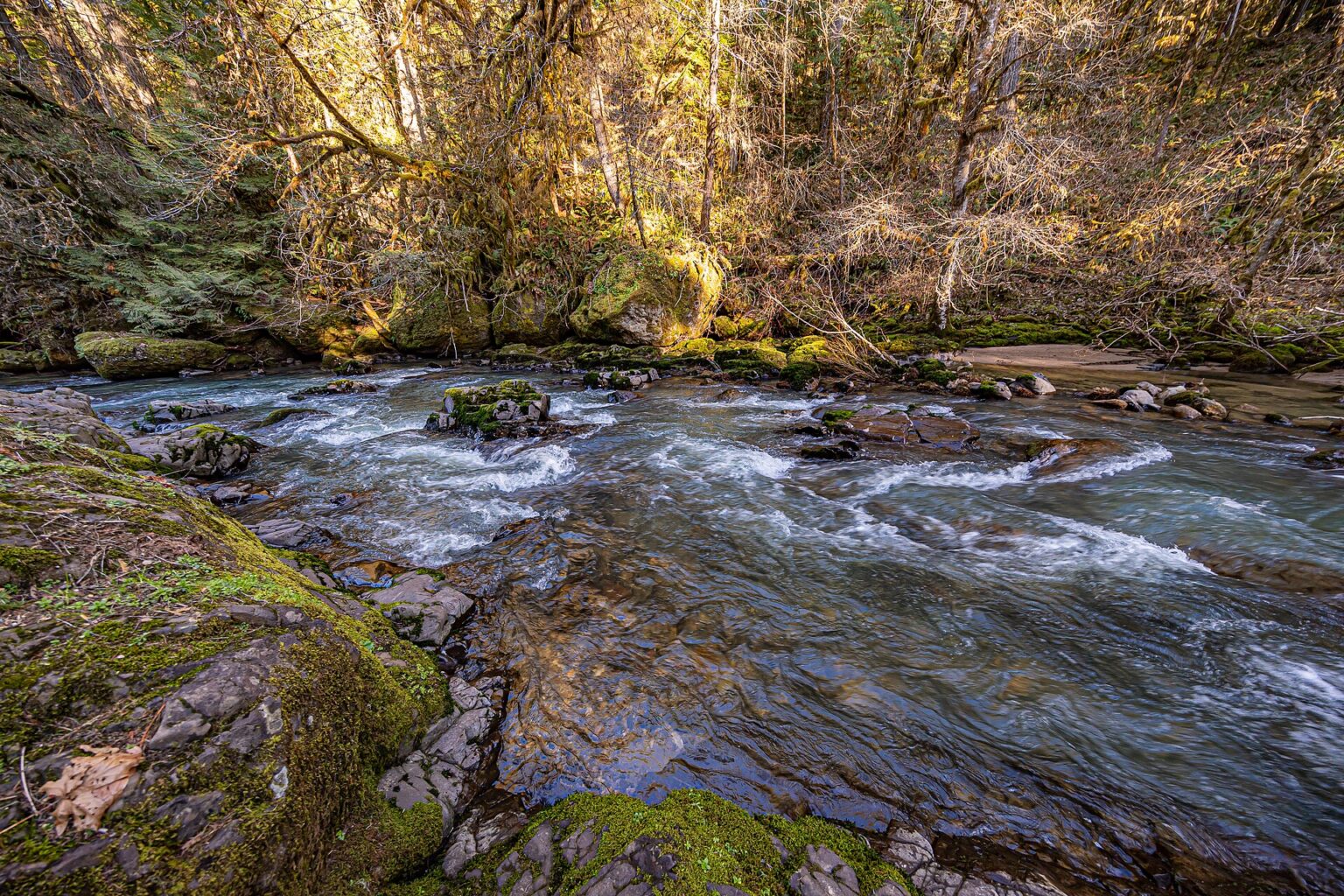

In the Pacific Northwest, salmon are not just fish. They are a food, an economy, a treaty obligation and a cultural foundation for the region’s Indigenous nations — and they are, increasingly, a measure of whether the region’s rivers can still do what rivers are supposed to do. This year’s returns tell the familiar double story: a few runs rebounding impressively where habitat has been restored, and many more hovering at fractions of their historical abundance, waiting on decisions about dams, water and a warming ocean.
The pressures arrive from every direction at once. Rivers run warmer and lower in summer as snowpack shrinks. Culverts and ageing infrastructure block access to spawning habitat that sat unused for decades. In the ocean, changing currents scramble the food web young salmon depend on in their first, most dangerous months. Against that stack, the successes stand out precisely because they show what works when the stack is relieved. Readers can follow more coverage like this on mynorthwestnews.com.
Where Restoration Is Proving Itself
The clearest recent evidence comes from rivers where barriers have come down. Dam removals on the Elwha and, most dramatically, the Klamath have been followed by salmon recolonising upstream habitat within seasons — sometimes within weeks — of passages reopening. The fish, it turns out, retain the map. Biologists describe the speed of return as the most hopeful finding in decades of salmon science: given access and water of tolerable quality, populations attempt recovery immediately and without human stocking.
Smaller interventions compound. Reconnected floodplains give juvenile salmon the slow, food-rich shallows where they grow fastest and survive best. Culvert replacement programmes, unglamorous and expensive, have reopened hundreds of miles of stream. Each project is local; the arithmetic is regional. A salmon’s life crosses so many jurisdictions and habitats that recovery is less a single decision than a hundred agreements to stop making things worse.
The Hard Arguments That Remain
Two debates overshadow the rest. The first is the future of the big hydroelectric dams, above all on the lower Snake River, where the tension between clean power, irrigation and transport on one side and salmon survival on the other has resisted compromise for a generation. The second is harvest and hatcheries: how to maintain fisheries and the hatchery production that supports them without diluting the wild genetics on which long-term recovery depends. Further data and analysis on this subject are available from NOAA Fisheries.
Climate change shadows both. Even a perfect river meets an ocean that is changing faster than the fish can adapt to, and warmer freshwater temperatures already kill returning adults before they spawn in bad years. Scientists are increasingly blunt that restoration buys resilience, not immunity — that the goal is populations numerous and diverse enough to absorb bad years, because bad years are now a permanent feature of the forecast.
A Fish That Keeps the Region Honest
There is a reason salmon recovery commands money and attention beyond its economics. The fish are an audit that cannot be lobbied. A watershed can be described as healthy in any number of reports; either the salmon return in strength or they do not. Northwest residents, including many who never fish, have absorbed that logic — polling consistently shows recovery among the region’s most broadly supported environmental goals.
The counting itself deserves a mention, because it is how the region knows anything at all. Weirs, sonar, drone surveys and genetic sampling now track returns fish by fish in the major systems, and the data is public, argued over and acted on in season. Few natural resources anywhere are watched this closely — a fact that says everything about what the salmon mean here, and why their report card is one the region cannot stop itself from reading.
The report card this year, then, reads the way it has for a while: improvement where people have acted, decline where they have not, and a closing window in which the difference between the two is still ours to choose. The salmon have done their part for ten thousand years. The variables in the equation are all on the human side. See also our companion piece: Ports of the Northwest Bet Big on Green Shipping Corridors.



