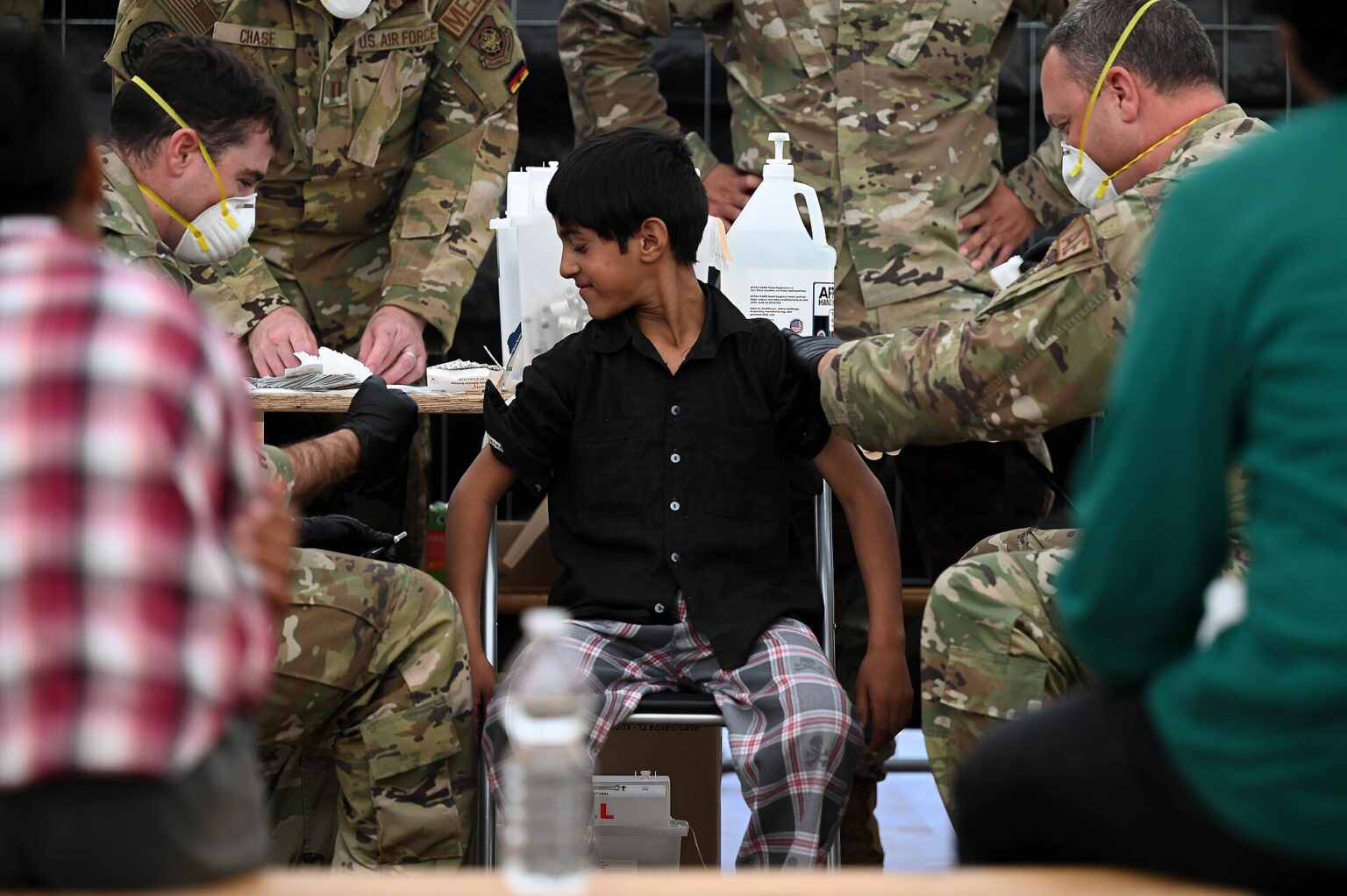

Measles cases across the United States rose 8 per cent in a single week to a total of 4,410 confirmed infections, federal health officials reported, extending a resurgence that has public health departments from coast to coast running catch-up vaccination campaigns. The headline number calls for attention rather than alarm. Transmission remains concentrated in identifiable clusters, the vast majority of patients were unvaccinated, and the measures that have ended previous outbreaks are already being applied in the affected communities.
The drivers are familiar to epidemiologists. Measles was declared eliminated in the US in 2000, but the virus is endemic in many parts of the world and arrives regularly with travellers. Where it lands matters: communities in which childhood vaccination has slipped, through pandemic-era missed appointments, access problems or vaccine hesitancy, offer the virus the susceptible hosts it needs. Measles is exceptionally contagious, spreading through the air and lingering in indoor spaces, so the margin for error in coverage is unusually thin.
Symptoms and the standard advice
The illness typically starts with fever, cough, a runny nose and red eyes, followed in some cases by small white spots inside the mouth and then the characteristic blotchy rash spreading from the face. Patients can transmit the virus before the rash appears, which is why officials ask anyone with suspected measles to call ahead before visiting a clinic or emergency room. Most people recover fully, but pneumonia and other complications are well documented, and infants, pregnant patients and the immunocompromised face the greatest risks.
The guidance maintained by the CDC on measles prevention has not changed, because it works. Two doses of the MMR vaccine protect roughly 97 per cent of recipients for the long term. Families are urged to verify records, especially ahead of international travel, and to complete missed doses promptly; clinics across the Northwest can check status and vaccinate in a single visit. People exposed without documented immunity should seek advice quickly, since post-exposure vaccination within a short window can still prevent illness.
Containment, in proportion
The current response is targeted by design: vaccination events in the specific neighbourhoods and schools affected, contact notification, and temporary exclusion of exposed, unvaccinated students during the incubation period. Health officials stress that these are routine instruments, not emergency improvisation. Our health coverage has made a similar point about the quiet value of prevention in reporting on an early ovarian cancer vaccine study: systems like immunisation succeed invisibly for years, and their worth becomes obvious mainly in the weeks when they are allowed to fray.
Clinicians add a practical detail for anyone who does develop symptoms: because measles can be transmitted before the rash, household members should be notified at the first suspicion rather than after confirmation, and vulnerable contacts, particularly infants and anyone pregnant, should be discussed with a doctor the same day. Early conversations give post-exposure treatment its only real chance to work.
Local health departments in the Northwest say their immediate priority is the simplest one: finding children whose routine shots were missed and booking them in, often through school-based clinics and reminder systems that had lapsed. They report that most families, once contacted directly, complete the vaccinations without argument, which suggests the coverage problem is as much about systems and reminders as about belief. That is an encouraging diagnosis, because systems can be repaired faster than opinions can be changed.
Some perspective on the arithmetic helps as well. Weekly totals are compiled with reporting delays, so part of any single week’s jump reflects confirmations catching up rather than brand-new infections. Even taken at face value, 4,410 cases in a nation of 330 million describes a problem that is serious, localised and solvable, not a generalised emergency. The official request to the public is modest and achievable: check your household’s vaccination status, know the early symptoms, and let health departments do the tracing. Measles is beaten by coverage, and coverage is a decision communities can still make this month, not next year.