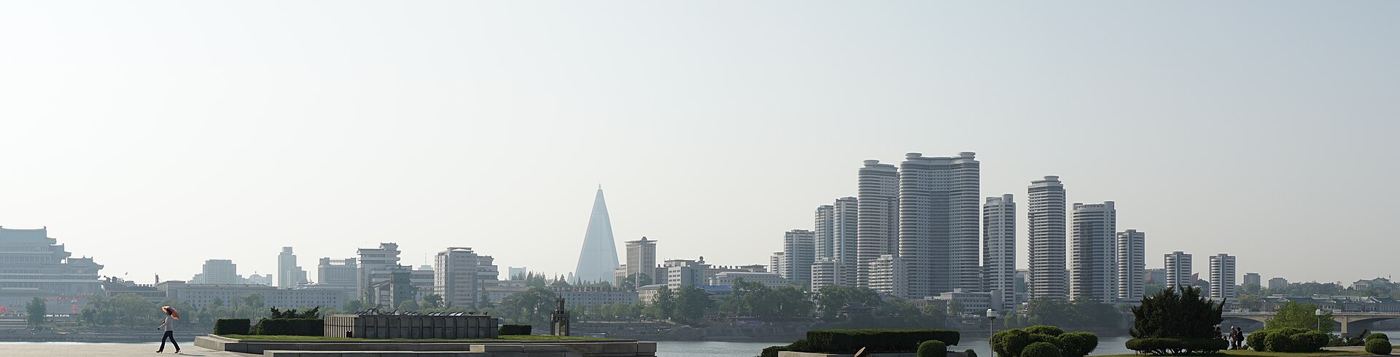

President Donald Trump is willing to meet North Korean leader Kim Jong Un, Secretary of State Marco Rubio said on Wednesday, stressing that engaging with adversaries should not be viewed as a concession. Rubio said no talks have been confirmed, but made clear that the president remains open to direct diplomacy with Pyongyang. The comments came as the administration reviews its approach to North Korea, whose nuclear and missile programmes have continued to advance despite years of sanctions. A meeting between the two leaders would be closely watched around the world, because their earlier summits produced bold promises but little lasting progress. Diplomats caution that any new encounter would need careful preparation to avoid repeating the disappointments of the past. The White House declined to say whether any contact with Pyongyang had taken place, and officials in Seoul said they would welcome any dialogue that reduced tensions on the peninsula, while insisting that South Korea must be closely involved in any talks that affect its security.
What the Evidence Shows
Trump and Kim met three times between 2018 and 2019, in Singapore, Hanoi and at the Korean Demilitarized Zone, in encounters that once seemed unthinkable. The talks raised hopes of a deal to trade sanctions relief for steps towards denuclearisation, but the negotiations collapsed in Hanoi and never recovered. Since then, North Korea has expanded its arsenal and deepened its ties with Russia, while the United States has maintained its sanctions. Supporters of engagement argue that only direct talks between leaders can break the deadlock, while critics warn that summits can hand Kim legitimacy without securing real concessions. Whether a meeting happens will depend on quiet diplomacy in the weeks ahead and on what each side is prepared to offer. Analysts note that the strategic landscape has changed since the last summits, because North Korea now has a larger arsenal, closer ties with Russia and less need for American sanctions relief, which means any new negotiation would start from a very different position. Reporting and analysis from sources such as BBC News track the same developments, and specialists following Trump open to meeting Kim Jong Un say the direction is now consistent across independent lines of evidence.
The Wider Context
The wider context is a public conversation conducted at a speed institutions were not built for. Developments around Trump open to meeting Kim Jong Un are announced, contested and revised within a single news cycle, and the officials involved have learned to publish evidence alongside claims so that scrutiny can actually occur. Trust, the polling suggests, follows that transparency more than it follows confidence.
What Happens Next
What happens next in the story of Trump open to meeting Kim Jong Un will be decided in the places where it is being implemented, measured and argued about in public. The officials and organisations involved have committed to publishing progress data, and that commitment gives residents, businesses and journalists something firmer than promises to judge. The next milestones are dated, which means they can be checked. You can follow related developments in our coverage of news.
None of this will be settled by a single announcement, study or product launch. The pattern to watch is accumulation: independent confirmations, honest reporting of failures and steady improvement in the underlying numbers. Readers who follow those signals, rather than the loudest claim of the week, will understand this subject better than most of the commentary surrounding it suggests is possible.