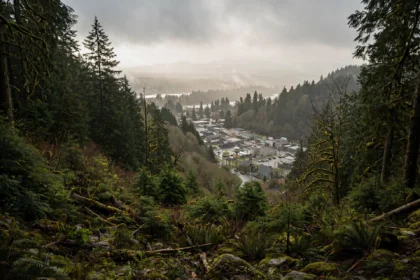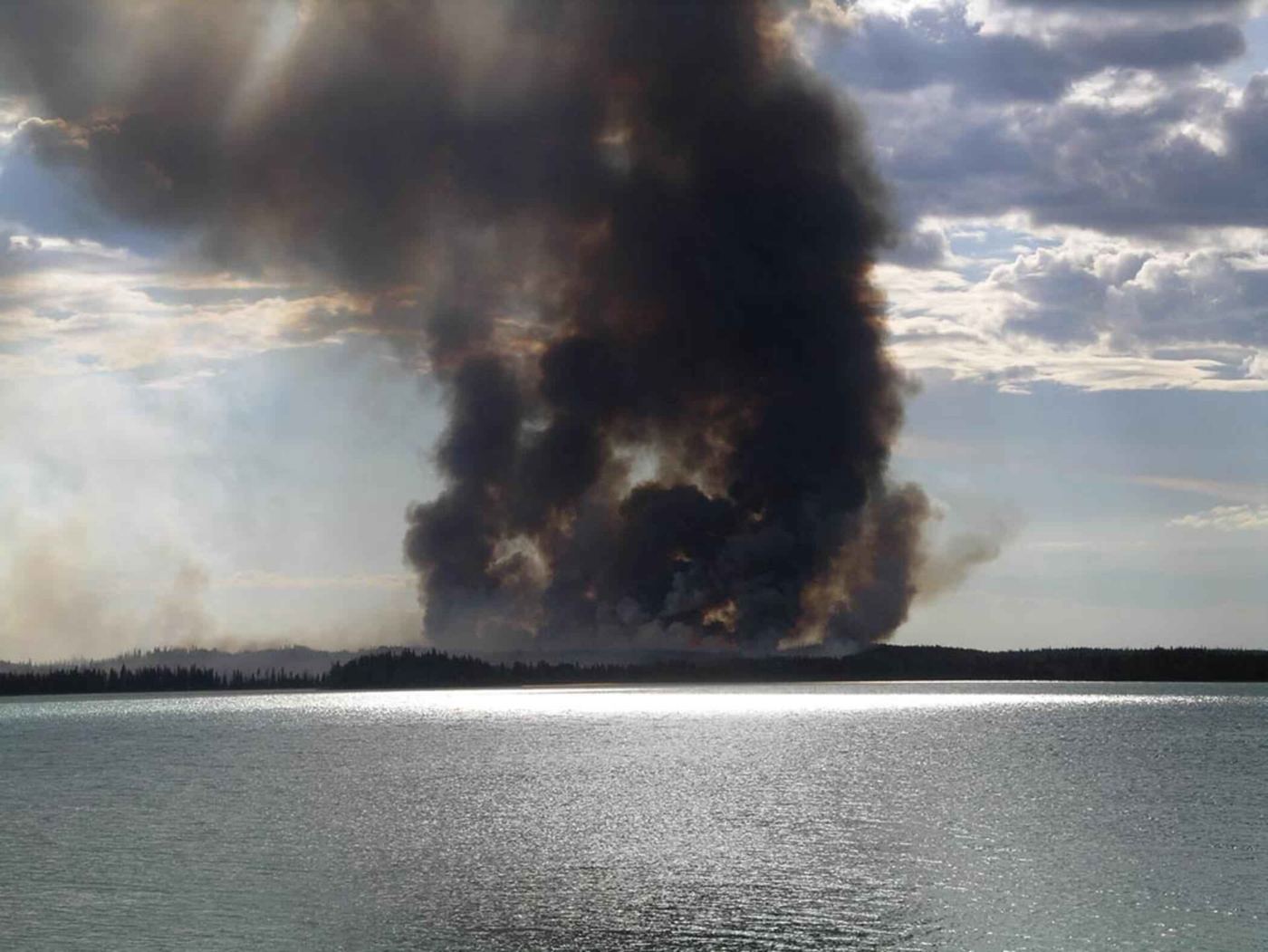

Summer in the Pacific Northwest used to be the compensation — the season that paid residents back for the grey months. Increasingly, it arrives with a new companion: smoke. Weeks of hazardous air from fires near and far have become a recurring feature of the regional calendar, and the Northwest is reorganising around it — from school sports schedules to a new domestic appliance, the air purifier, that locals now buy like rain gear.
The health mechanics are unforgiving. Wildfire smoke carries fine particles (PM2.5) deep into lungs and bloodstream; public-health guidance from agencies such as the external source ranks the risks highest for children, the elderly, outdoor workers and anyone with asthma or heart disease. On the worst days, Northwest cities have recorded some of the poorest air quality on Earth — an inversion of the region’s brand that residents still struggle to absorb.
Adaptation, household by household
The adaptations are practical and spreading: AQI numbers checked like weather, N95s in the glovebox, clean-air rooms in schools and libraries, and building codes beginning to treat filtered indoor air as infrastructure rather than luxury. Our regional coverage in our news section tracks the inequality inside the smoke — the difference between a sealed, filtered home and a hot flat where opening a window is the only cooling.
The forest argument behind the smoke
Upstream of every smoke season sits a century of forest policy: fire suppression that let fuels accumulate, logging patterns that changed stand structure, and a warming climate drying the whole system. The management response — thinning, prescribed burns, and letting some remote fires work — amounts to reintroducing fire on chosen terms before it arrives on its own.
The tourism economy is repricing the season. Outfitters, festivals and wineries built around the golden Northwest summer now plan smoke contingencies — indoor programming, flexible cancellation, air-filtered venues — the way coastal businesses plan for hurricanes. Insurers have followed, and some events have migrated to the shoulders of the calendar, quietly redistributing the region’s festive year toward spring and autumn.
Firefighters describe the underlying shift in the driest terms: fire seasons are longer, start earlier and end later, in some districts simply becoming the fire year. The smoke over the cities is the visible edge of that arithmetic — which is why the region’s adaptation debate keeps returning to the forest itself, where the only durable fix is fuel, treated patiently, at landscape scale, in the wet months nobody photographs.
Smoke season is teaching the Northwest what fire country has always known: the forest’s relationship with burning cannot be abolished, only negotiated. The region is learning to live with a sky that sometimes closes — and to fight, in the winters, for summers it can breathe. More environment stories are at our homepage.