
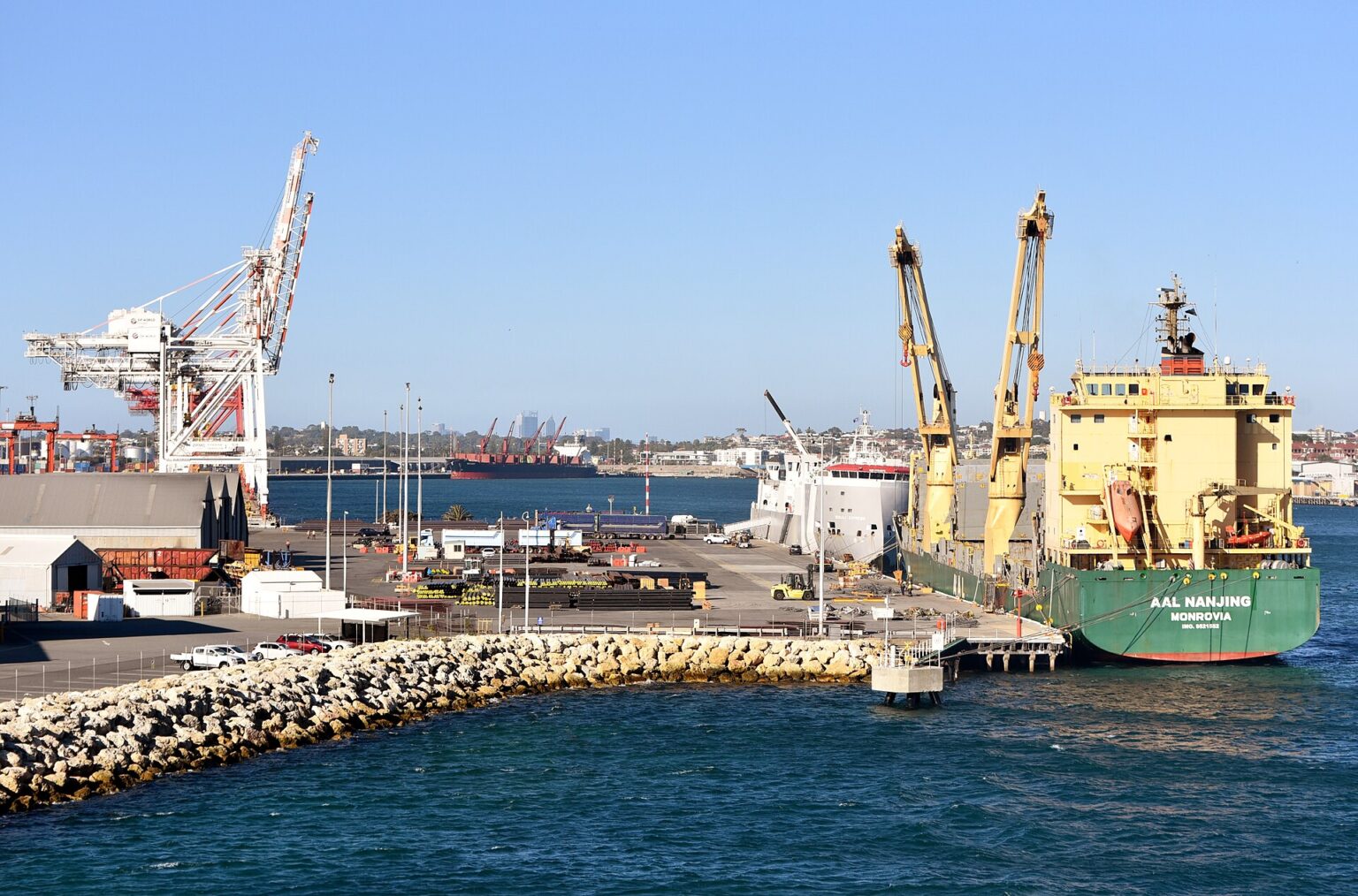

The ports of Seattle, Tacoma and Vancouver share a highway with no pavement: the Pacific itself, down which container ships carry the trade of three continents. That highway is getting a redesign. Under a series of agreements grouped loosely as green shipping corridors, the Northwest’s ports are working with Asian counterparts, shipping lines and fuel producers to make the region’s trade routes among the first in the world served by vessels running on low- and zero-emission fuels.
Shipping’s climate problem is one of scale. The industry moves roughly ninety per cent of world trade and produces about three per cent of global emissions — a mid-sized country’s worth — from burning some of the dirtiest fuel in commerce. Its regulator moves slowly and its ships last thirty years, which is why ports and cargo owners, rather than waiting for global rules, have begun building the future route by route. Readers can follow more coverage like this on mynorthwestnews.com.
Why Corridors, Why Here
A corridor solves the chicken-and-egg problem that stalls clean shipping everywhere else. Fuel producers will not build plants without ships to serve; shipowners will not order vessels without fuel to buy. By naming specific routes and endpoints, a corridor lets both sides invest against a shared schedule. The Northwest’s pitch rests on its geography — among the shortest Pacific crossings to Asia — and on the region’s hydro-powered electricity, which makes producing green fuels such as methanol and hydrogen derivatives unusually clean at source.
The early commitments are deliberately modest: feasibility studies, fuel-storage planning, a first generation of dual-fuel vessels able to burn methanol when it is available and conventional fuel when it is not. Port executives are frank that the first truly green crossings will be demonstrations rather than transformations. But they point out that container shipping itself began as an experiment on a few routes before it reorganised the world economy within two decades.
What It Means on the Dock
For the ports themselves, corridors are competitive strategy as much as climate policy. Cargo owners with emissions targets increasingly ask where their goods travel, not just how cheaply, and ports that can document lower-carbon routes expect to win share. The Northwest ports compete with California’s giants and with Prince Rupert to the north; a credible green offer is one of the few differentiators not settled by geography and cranes. Further data and analysis on this subject are available from the International Maritime Organization.
There is local work in it too. New fuels mean new storage, new safety regimes and new skills for the longshore workforce, and both ports have paired their corridor announcements with training commitments. Harbour communities, who bear shipping’s air pollution most directly, stand to gain the earliest benefits: the dirtiest emissions happen at berth, in the middle of the city, and cleaner vessels cut them first.
The Long Haul
Sceptics note, correctly, that green methanol costs multiples of fuel oil, that supply barely exists, and that announcements in this industry have outrun delivery before. The corridor model’s honest answer is that somebody must go first at a loss before costs fall for anyone — the same curve solar panels and batteries rode down. The Northwest’s wager is that its ports would rather be the place that did it first than the place explaining, in twenty years, why the trade went elsewhere.
The corridor map is quietly becoming a trade map. Each announced route pairs ports that expect to matter to each other for decades, and the ceremony of signing one now draws the attendance once reserved for free-trade agreements — because functionally, that is what they are: the terms on which future commerce will move.
The ships will keep coming either way, as they have for a century and a half. What is being decided now is what they burn, what the air over the harbour tastes like, and whether the region’s oldest industry can also be its newest one. See also our companion piece: The Salmon Are the Report Card: Northwest Rivers Face a Reckoning.



