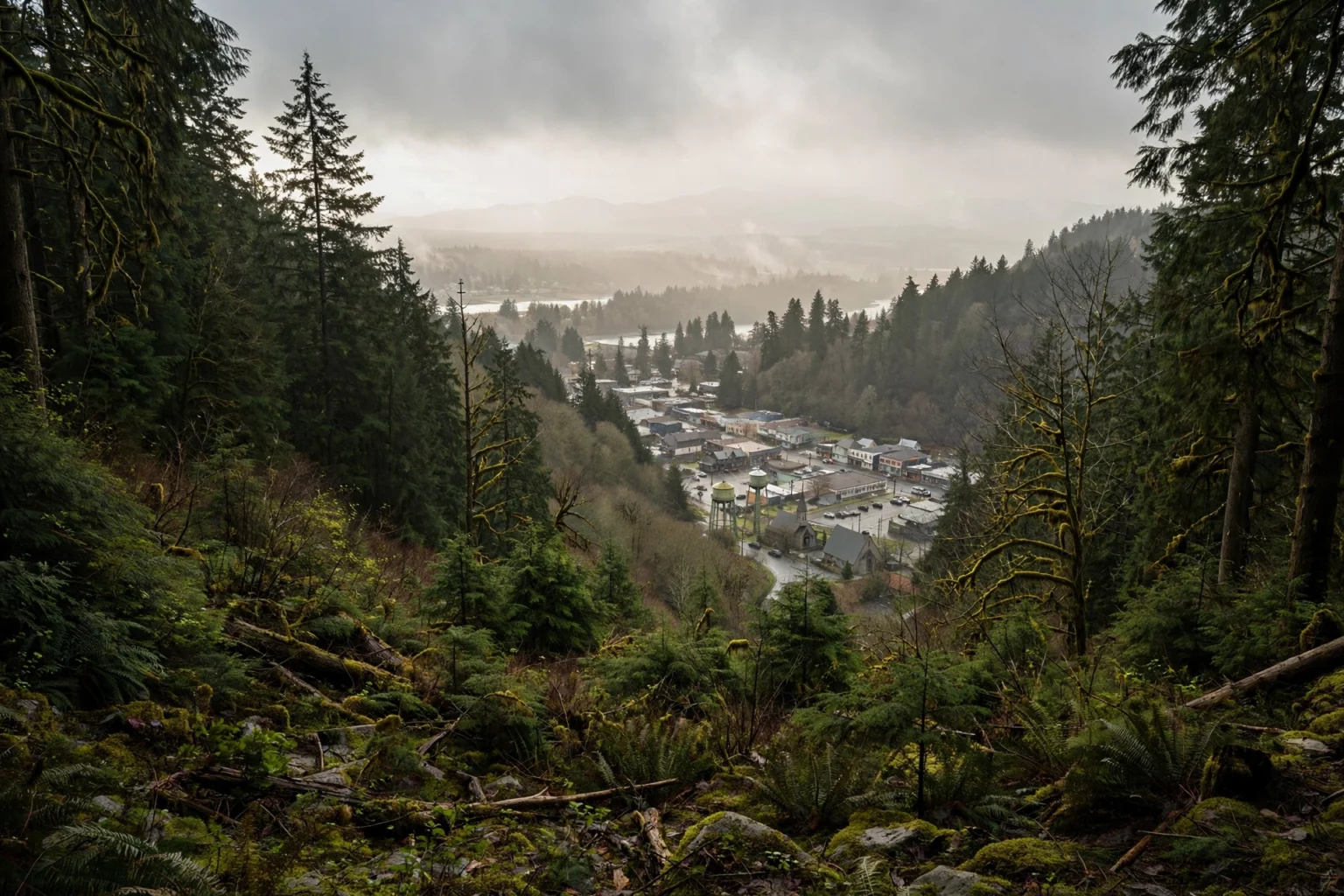

It arrives as a smell first, faintly like a neighbour’s campfire, and then as a haze that turns the Cascades into pale silhouettes. Wildfire smoke has become a recurring season of its own in the Pacific Northwest, and while no household can control the fires, residents have far more control than they realise over the air inside their own homes.
Health officials are consistent on the key point: during smoke events, indoor air is where exposure is won or lost. Most people spend the overwhelming majority of their time indoors, so a few practical steps at home matter more than any mask worn for a short trip outside.
Know Your Number: The AQI
The Air Quality Index, published throughout the day by AirNow, translates particle pollution into a simple colour scale. For smoke, the pollutant that matters is PM2.5, fine particles small enough to pass deep into the lungs. When the index climbs into the orange and red bands, sensitive groups and then everyone else should cut outdoor exertion and treat indoor air as a priority. Checking the AQI with the morning weather becomes a habit quickly, like the preparedness routines in our Pacific Northwest rainy season guide.
Make One Room a Clean Room
The United States Environmental Protection Agency’s wildfire smoke guidance recommends designating a clean room: usually a bedroom, with windows and doors kept shut, where a portable air cleaner runs continuously. Choose a HEPA-filter purifier sized for the room, or build the well-tested DIY alternative, a box fan fitted with a high-efficiency furnace filter, which university tests have shown removes a large share of smoke particles at a fraction of the cost.
Small details compound. Set home HVAC systems to recirculate rather than drawing in outside air, replace filters after heavy smoke episodes, and avoid adding indoor particles: no candles, no incense, no frying at high heat, and postpone vacuuming, which stirs settled dust back into the air.
Seal the Gaps, Gently
Older Northwest homes leak air around windows, doors and fireplace dampers. Weatherstripping and door sweeps fitted in spring pay off twice: during smoke season and during winter heating. Keep the chimney damper closed when the fireplace is not in use, and resist the urge to run bathroom and kitchen exhaust fans for long periods during smoke events, since they pull replacement air in from outside.
Plan Outdoor Time Around the Smoke
Smoke follows a daily rhythm, often lifting in the afternoon and settling overnight, and winds can clear a valley in hours. Hikers who read our autumn trail guide should apply the same flexibility to smoky weeks: check conditions before setting out, choose low-elevation forest walks over exposed ridges when haze lingers, and treat a well-fitting N95 as standard kit alongside rain gear.
A Season to Prepare For, Not Fear
Smoke season now sits on the regional calendar alongside the rains. Households that prepare a clean room, stock spare filters and follow the AQI find it a manageable inconvenience rather than an emergency. The fires are beyond any one family’s control. The air in the bedroom is not.
What to Stock Before the Season Starts
Preparedness is cheapest in spring, months before the first smoke plume makes the news. Households that ride out smoke events calmly tend to have the same short list on hand: spare filters for their purifier or furnace, a box of well-fitting N95 respirators in the sizes their family actually wears, weatherstripping tape for the one window that never quite seals, and batteries for a portable radio in case smoke arrives alongside the power cuts that sometimes accompany fire weather.
Add one less obvious item: a plan for pets and for neighbours. Dogs still need short, calm outings on the worst days, kept brief and on pavements rather than trails. And older neighbours living alone are the people most at risk during long smoke events, because they are the least likely to own a purifier or to check the AQI. A spare filter, a loaned fan unit or simply a daily knock on the door during a red-band week costs little and, in a region that prides itself on looking out for its own, it is the most Northwest item on the list.