
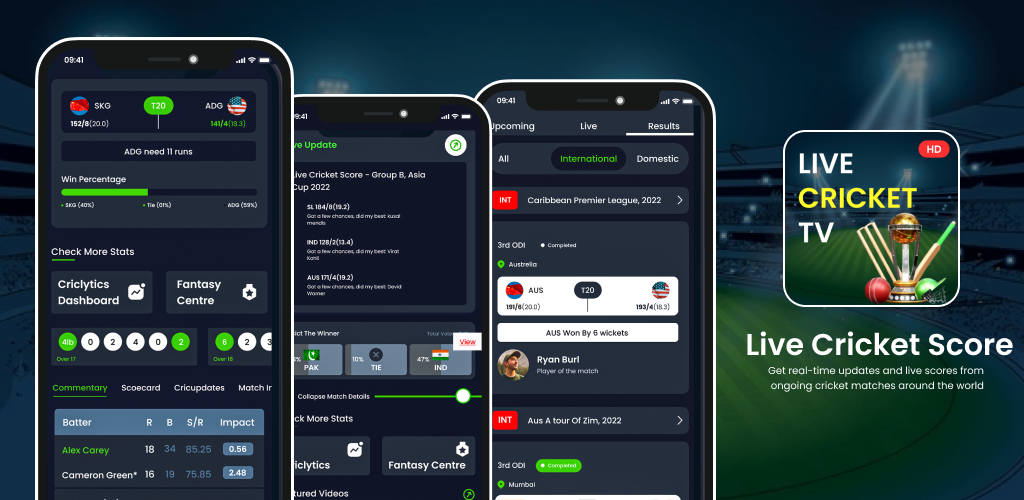

Evening habits are built around the same pocket screen – a quick scan of headlines, a look at the weather, then a glance at live scores. For sports fans who follow regional stories and international fixtures, match nights can become hectic in a few taps. A simple structure around apps, time and money keeps live cricket in its place as welcome entertainment, without drowning out the rest of the day’s information.
How Local News Routines Shape Screen Time
Readers who care about local reporting usually begin and end the day with regional outlets. Morning commutes might include traffic updates, policy news or community stories, while late evenings feature opinion pieces, long reads and follow-ups on issues that affect real households. That rhythm already sets expectations for the phone – it acts as a small, portable newsroom that keeps people connected to what happens on their streets, highways and schools. When live cricket fixtures land in the same hours, attention can fracture between a carefully reported article and a tense run chase, unless there is a conscious decision about which one leads.
Match-heavy periods intensify this clash. A fan might move from an alert about weather disruption straight into a scorecard widget, then into an app store journey for a sports entertainment product. At that moment, a clear landing point such as a straightforward parimatch download becomes one more tile in an already busy grid. Without a plan, the live cricket app joins news, messaging and streaming tools in a constant cycle of checking. With a plan, it takes on a defined role – a companion during selected fixtures – while the local news source remains the default destination for everything that shapes daily life.
Giving Each App A Clear Role On The Home Screen
The way apps are grouped on the home screen quietly influences behavior. When live cricket, messaging, shopping and news icons sit in a single, dense cluster, tired thumbs drift between them without much thought. Reorganizing that space into lanes – one row for news and civic information, one for essential utilities, one for entertainment – creates a visible boundary. Live sports products still feel welcome, yet they are clearly labeled as leisure tools that sit beside movies, music and other discretionary activities.
This separation also helps during intense fixtures. A home screen where news and civic tools dominate the first row reminds users that local stories and responsibilities remain in view, even while a match runs. Push alerts from newsrooms then act as context, not competition. Live cricket updates can stay on, yet they do not have to be acknowledged every over. The user decides which app is active, instead of letting unfamiliar notification patterns from new sports products control the pace of the evening. Over time, this layout encourages a healthier reflex – check headlines first, then open sport during chosen windows, rather than defaulting to odds and scorecards whenever the phone lights up.
Match Night Rules That Protect Focus
Big games tempt constant multitasking. Viewers bounce between the broadcast, commentary threads, chats and in-play dashboards. The result is an evening that feels crowded and strangely unsatisfying. Simple rules restore clarity. One device can be designated as the “match screen” for streaming or scorecards, while another – often a laptop or second phone – remains the place for news articles. If only one device is available, time blocks do the same job. The first block covers pre-match reading, the second covers live viewing, and the third covers post-match recaps and analysis.
A Short Checklist For Live Cricket Evenings
A compact checklist keeps those blocks realistic without feeling rigid. Before first ball, many fans benefit from confirming:
- Which one or two innings are worth watching in full, and which can be followed through summaries.
- How long the live cricket app is allowed to stay open before a break is mandatory.
- Which notifications will remain active – usually news, close contacts and essential services – and which will be muted.
- Where the phone will rest during the game, so it is not constantly in hand between every ball.
These small commitments keep the match special. They also ensure that local stories, weather alerts and other regional updates remain visible, rather than being buried under a stream of score prompts and promotional banners.
Budgets That Reflect Both Bills And Boundary Lines
Every app that touches real money must live inside a budget that already accounts for rent, transport, savings and subscriptions. Live cricket products sit firmly in the entertainment category. A transparent monthly figure devoted to all leisure – streaming, snacks, outings and sports play – keeps expectations in check. Within that, only a modest portion should be reserved for any activity that depends on match outcomes. Writing that portion down in a budgeting tool or notebook makes it harder to treat deposits or stakes as abstract numbers.
Once the ceiling is set, live cricket habits can be tuned around it. Stakes per match, frequency of in-play decisions and the number of high-intensity fixtures followed each week all need to respect that limit. Regional news coverage often highlights stories about debt, stress and burnout, so readers know how easily finances can tighten. Aligning live sports behavior with those realities prevents the phone from quietly bridging the gap between a stressful month and risky decisions. The result is a pattern where people still follow favorite teams enthusiastically, yet their financial stability remains anchored in long-term plans rather than in a sequence of tense overs.
Letting Live Cricket Support, Not Replace, Real Life Stories
At its best, live cricket adds another narrative layer to the day. A local policy decision in the morning, a neighborhood story in the afternoon and a close finish at night can coexist without competing. The key lies in structure. When the live cricket app is treated as one bright element in a carefully arranged screen – used during planned windows, held inside strict budgets and placed beside trusted news sources – it enhances the sense of connection instead of fragmenting it.
Over weeks and seasons, this balance pays off. Fans stay informed about the issues that shape their region, while still enjoying the drama of final overs and tournament arcs. The home screen feels like a map of real priorities, with local journalism, family life and work tools at the center, and live cricket entertainment held in a clear, well-marked corner. In that arrangement, downloading and using new sports products becomes a conscious choice that fits inside a broader story, rather than a quiet shift that allows one kind of excitement to drown out everything else that matters.




